
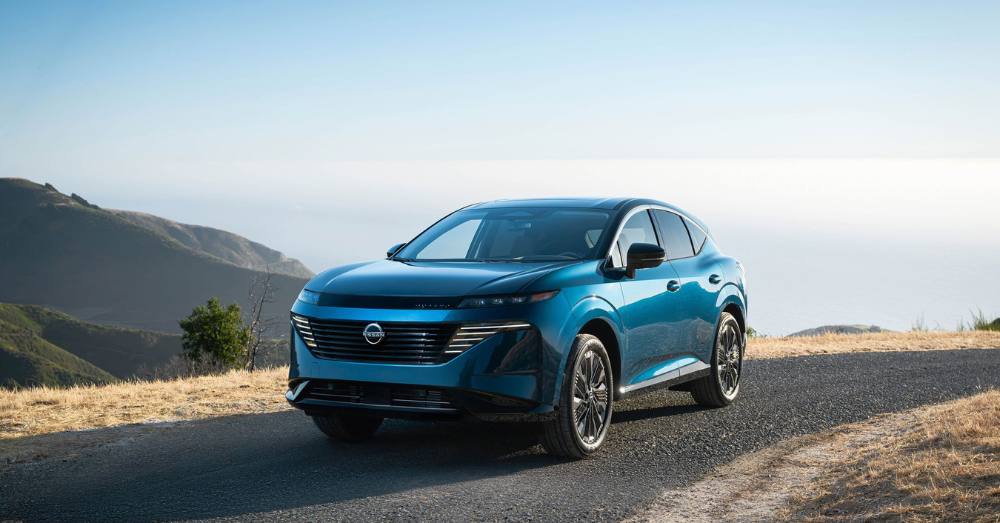
Walk into any dealership these days and you’ll see rows of compact SUVs lined up like soldiers ready for battle. Every brand wants a piece of this market, and they’re pulling out all the stops to win your attention. From sleek tech upgrades to bold new looks, the compact SUV space has become the automotive industry’s most heated battleground.
- Safety tech and hybrid powertrains have become must-haves, not nice-to-haves.
- Styling is what sets brands apart now, with some going bold and others staying refined.
- Prices stay competitive, but even base models come loaded with features you’d expect from higher trims.
The Players Bringing Their A-Game
The compact SUV segment reads like a who’s who of the automotive world right now. Honda’s CR-V keeps racking up sales with its bulletproof reputation. The Mazda CX-5 brings a driver’s car feel that most competitors can’t touch. Toyota’s RAV4 remains the best-seller, proving that reliability still sells cars.
Then you’ve got the Korean brands shaking things up. The Hyundai Tucson just got refreshed for 2025 with even more standard tech. If you’re shopping around, stopping by a Hyundai dealer near Lexington, KY gives you a chance to see how the updated Tucson stacks up against the competition in person. Kia’s Sportage offers similar value but packages it differently, appealing to buyers who want maximum space without breaking the bank.
Chevrolet redesigned the Equinox with truck-inspired styling that looks nothing like its boring predecessor. The new model pairs dual 11-inch screens with Google’s built-in tech, giving younger buyers the connected experience they expect. Ford’s Bronco Sport takes a different approach entirely, doubling down on rugged capability for weekend warriors who actually use their SUVs off-road.
Tech Wars and Safety Battles
Safety tech has become table stakes. Brands can’t get away with charging extra for blind-spot monitoring or automatic emergency braking anymore. Buyers expect these features standard, and most manufacturers have gotten the message.
Hyundai and Kia lead the pack here. The Tucson earned Top Safety Pick+ honors from IIHS for 2025 after Hyundai made Smart Cruise Control 2 standard on every model. Mazda’s CX-30 did the same, proving that smaller brands can compete with giants when it comes to keeping people safe.
Screens keep getting bigger. The Tucson’s dual 12.3-inch curved displays look pulled from a luxury car. VW’s redesigned Tiguan features expansive screens running their latest MIB4 software. Even the budget-friendly models now sport infotainment systems that would’ve seemed futuristic five years ago.
Hybrid Everything
Gas-only powertrains are losing ground fast. Honda only offers the CR-V hybrid in higher trims now. Hyundai and Kia sell hybrid and plug-in versions of the Tucson and Sportage. Toyota’s RAV4 comes in regular, hybrid, and Prime plug-in flavors.
The shift makes sense. Buyers want better fuel economy without giving up space or capability. The 2025 Honda CR-V hybrid hits 35 mpg combined while still offering plenty of room for families. That’s hard to beat when gas prices keep bouncing around.
Subaru jumped in late but went all in. The 2026 Forester Hybrid pairs a 2.5-liter engine with electric assist, bumping output to 194 horsepower while achieving 35 mpg combined. That puts it right in line with competitors after years of lagging behind on efficiency.
Design Gets Daring
Boxy is back. The new Nissan Murano bucks the trend of aggressive, rugged styling by staying sleek and detailed. Meanwhile, the Hyundai Santa Fe went the opposite direction with squared-off looks that maximize interior space.
Mazda continues doing its own thing. The CX-30 looks more like a raised sports car than a typical SUV. The design attracts buyers tired of cookie-cutter crossovers. Genesis stands out with the GV70’s distinctive grille and luxury-level interior materials at prices thousands below German competitors.
Color choices have expanded too. Mazda’s Soul Red Crystal Metallic has become iconic. Rivian offers bright blues and greens that stand out in parking lots. Buyers don’t want another gray or black SUV anymore.
Where the Battle Goes Next
Electric compact SUVs will flood the market soon. Jeep’s Recon EV promises serious off-road chops with zero emissions. Volkswagen’s ID.4 keeps getting updates to stay competitive. Hyundai’s Ioniq 5 refresh added more range and features.
What separates the winners from the rest? Brands need to nail the basics while bringing something special to the table. Maybe that’s Mazda’s driving feel, Honda’s reliability record, or Hyundai’s warranty and tech. Buyers have more solid choices than ever, which means automakers can’t just cruise on their name anymore. They actually have to earn every sale.
One thing’s clear: the compact SUV wars are far from over. Every brand keeps pushing harder, and that’s great news if you’re in the market for one.