
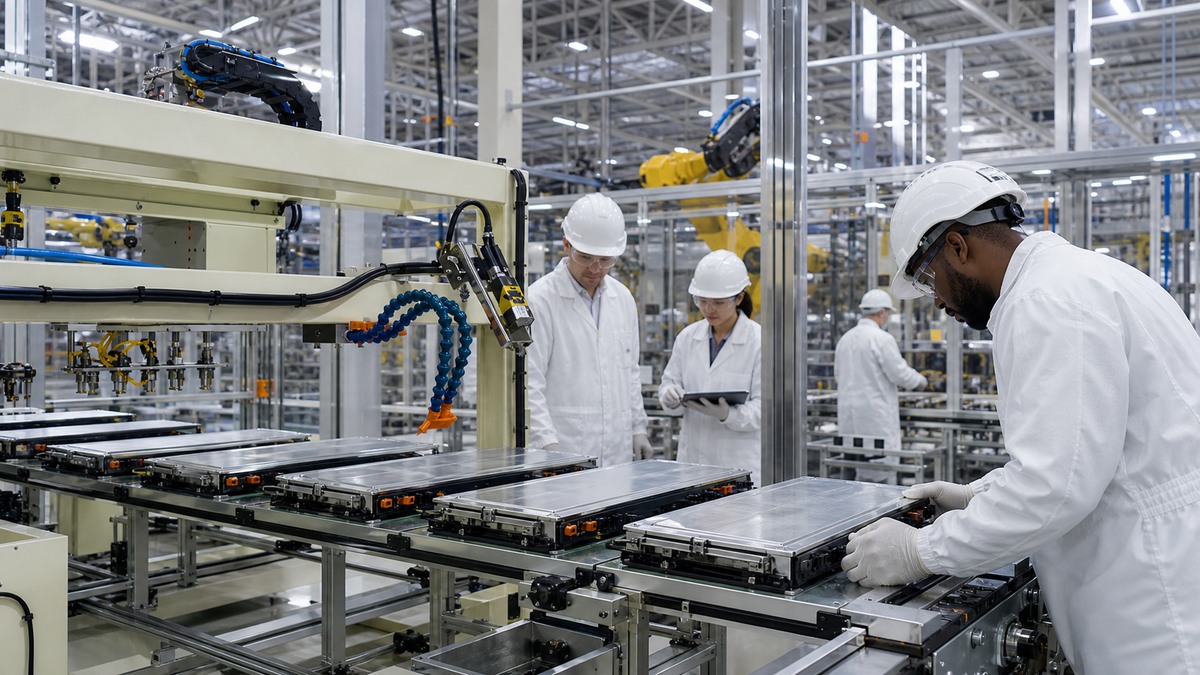
When General Motors and LG flip the switch back on at their Ohio battery operation, it is worth paying attention. Big automakers do not restart a plant on a whim, and this move hints at how the next chapter of electric cars is actually being written.
- GM builds its EV battery cells through Ultium Cells, a joint venture with LG Energy Solution based in Warren, Ohio.
- A production restart signals confidence in EV demand and lines up with the industry’s push toward cheaper battery chemistry.
- The bigger takeaway is that the EV rollout is maturing into a steadier, more measured pace.
Why Ohio Matters to the EV Map
The Warren, Ohio plant sits at the center of GM’s electric ambitions. It is run by Ultium Cells, the partnership GM formed with LG Energy Solution to make the battery cells that power its electric lineup. Instead of buying cells from an outside supplier and hoping for the best, GM chose to build them close to home. That decision put a lot of American manufacturing muscle behind the company’s EV plans.
So when that line goes quiet and then comes back to life, people notice. A restart is not a small thing. It means the equipment is being retooled, workers are being called back, and the company sees a reason to keep the cells flowing. For a plant that helped kick off GM’s domestic battery push, restarting production reads like a vote of confidence in the road ahead.
The Real Signal Is About Chemistry and Cost
The first wave of electric cars leaned heavily on nickel-rich battery packs. They worked, but they were expensive, and price has always been the sticking point for shoppers looking at electric models. The industry knows this. So the next phase is less about flashy range numbers and more about making batteries cheaper to build without gutting performance.
That is where a plant like this earns its keep. Restarting and adjusting a battery line gives an automaker the chance to move toward newer cell recipes that use fewer costly materials. Bring the cost of the battery down and you bring the cost of the whole car down. For a lot of families sitting on the fence, that math is the difference between browsing and buying. The message from Ohio is that the industry is chasing affordability, not just headlines.
What a Restart Says About Demand
There has been plenty of noise about electric vehicle sales cooling off. Some of that is fair. Early adopters moved fast, and the next group of buyers is more careful with their money. But careful is not the same as uninterested. Restarting a battery operation tells you that the people making these decisions still see steady, real demand building underneath the day-to-day headlines.
Automakers plan in years, not weeks. They do not fire up expensive production capacity to chase a fad. A restart says the long view is intact, even if the short-term ride has been bumpy. The froth of the earliest EV hype has settled into something more practical, and practical tends to last longer than hype ever does.
What This Means for the Everyday Driver
For anyone shopping now or in the next couple of years, the takeaway is encouraging. More home-built battery capacity usually points toward better supply, steadier pricing, and a wider range of electric models to pick from. It also keeps skilled manufacturing jobs anchored in the United States, which matters far beyond the dealership lot.
The early days of electric cars were loud, fast, and a little chaotic. This next stretch looks calmer and more grounded. Battery plants firing back up, chemistry getting smarter, and prices slowly bending in the buyer’s favor all point the same direction. Electric cars are settling in for the long haul, and quiet moves like an Ohio line getting back to work are how you can tell.
Keep an Eye on the Factory Floor
If you want to know where electric vehicles are really heading, watch what the plants are doing, not just what the ads are saying. A restarted battery line in Ohio is a small headline with a big meaning. It points to cheaper batteries, steady demand, and an industry that is done sprinting and ready to run the marathon.