
In a surprising twist on the usual flow of automotive trade, Japanese automakers are now sending American-built cars back to Japan. Nissan became the latest to join Toyota and Honda in announcing plans to export vehicles produced in the United States to the Japanese domestic market, following a trade deal that loosened vehicle import rules. It’s a move that would have seemed unlikely just a couple of years ago, but tariff pressures and changing regulations have made it reality.
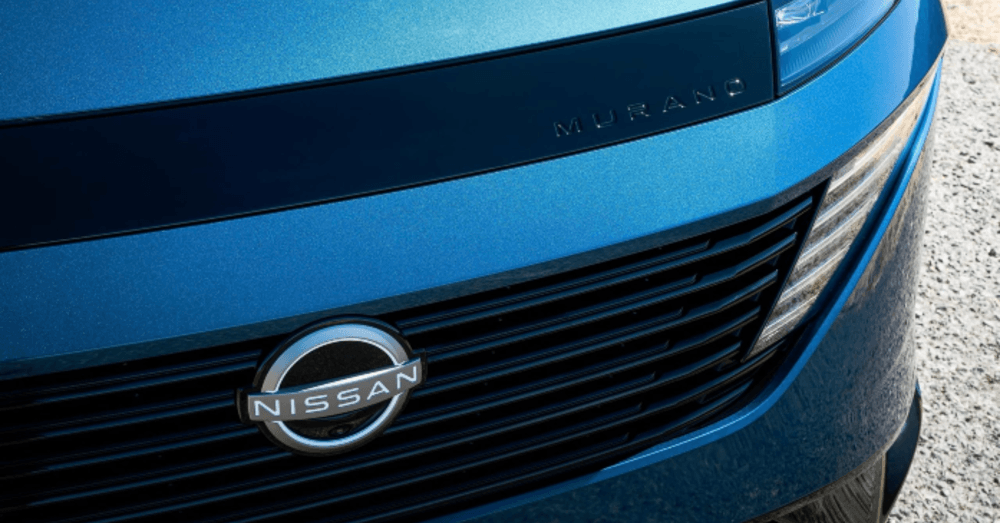
- Nissan plans to export the Murano, built at its Smyrna, Tennessee plant, to Japan beginning early next year.
- Under new Japanese regulations confirmed last month, U.S.-made vehicles don’t have to meet Japan’s own vehicle certification as long as they comply with American standards.
- Actual sales numbers may stay modest, since Japan’s auto market is overwhelmingly made up of domestically built vehicles.
A Trade Deal Changed the Rules
This whole situation traces back to the tariff battles between Washington and Tokyo. After months of talks spurred by U.S. tariff actions, the United States and Japan announced a bilateral trade agreement in July 2025 that set a 15% tariff on most imports from Japan, down from the 25% President Trump initially proposed but still well above 2024 rates. As part of that same agreement, Japan committed to easing regulations for U.S.-safety-certified vehicles and providing clean energy vehicle subsidies for American cars.
Passenger vehicles made in the United States and certified as safe by U.S. regulators can now be imported into Japan and sold without any additional local safety tests, a rule change made by the transportation ministry and effective as of February 2026. That’s a big deal. Automakers typically have to tailor vehicles to meet safety and other regulations for different countries globally, and those adjustments can range from things like lighting and side mirrors to more involved parts such as steering wheel placement.
Which Cars Are Making the Trip?
The Murano will be the first American-made Nissan sold in Japan since the 1990s. Nissan confirmed it will ship the Murano with the steering wheel on the left-hand side, which is standard for Americans but unusual in Japan’s right-hand-drive market. For Japanese customers, the Murano will be the most premium Nissan SUV they can buy, since the X-Trail (America’s Rogue equivalent) has been the biggest Nissan SUV available there until now.
Nissan’s announcement follows Toyota, which revealed plans back in December to begin exporting the Camry sedan, Highlander SUV, and Tundra pickup from the U.S. to Japan this year. Honda also announced earlier this month that it will export the U.S.-built Acura Integra Type S and Honda Passport TrailSport Elite SUV to Japan beginning in the second half of 2026.
If you’re shopping for used cars in the U.S. right now, you might notice some interesting ripple effects from these export plans. Increased production at American plants could eventually affect the domestic market for both new and pre-owned vehicles.
Will Japanese Buyers Actually Want These Cars?
That’s the big question. The left-hand-drive layout is a major limiting factor in how well these U.S.-built models can perform in Japan, since they won’t be as practical to drive on a daily basis. Japan drives on the left side of the road, so a left-hand-drive car puts the driver on the wrong side for visibility.
About 95% of the Japanese market consists of locally produced vehicles, leaving fewer than a quarter of a million units for imports from around the world. A majority of those come from Germany. Vehicles sold under U.S. brands represent a small fraction of that group, including sales of only about 8,700 Jeeps and 500 Cadillacs.
Diehard fans of these Japanese brands may buy a Murano or Tundra as a second vehicle for occasional use while keeping a Japanese-spec model for everyday driving, but this group is unlikely to make up a large number of buyers. Many of the vehicles planned for import to Japan are also considered big or not mainstream for Japanese consumers. An analyst at S&P Global Mobility noted that with the exception of the Integra, these are relatively large vehicles for Japan and will likely remain niche, low-volume products.
What This Means for American Auto Plants
Even if the sales volume stays small, the symbolic weight of these moves is hard to ignore. Reverse-importing models with steering wheels on the wrong side would have seemed unlikely even a year or two ago, but it shows the difficult decisions automakers have had to make after U.S. tariffs were introduced. The move allows brands like Honda and Nissan to address trade imbalances, though the gamble will only work if enough Japanese customers express interest.
Japan has historically levied no import duty on American vehicles. The friction was always about regulatory barriers and consumer preferences rather than tariffs. Now that the regulatory door is open, these automakers are walking through it, even if the market on the other side is uncertain.
If these U.S.-built models sell strongly in Japan, it could lead to more manufacturing jobs at American auto plants. That outcome would give Washington exactly what it pushed for in these trade negotiations. Whether Japanese consumers cooperate is another matter entirely, but at least the experiment is now underway.