
A significant drop in the Ford’s October 2025 sales shows the impact of the expired EV tax credit. Will the electric vehicle market survive?
Ford’s October 2025 sales figures reveal the immediate impact of losing the federal EV tax credit, which expired on September 30. Overall sales ticked up slightly, but electric vehicle sales took a hit.
Ford October 2025 EV sales by the numbers
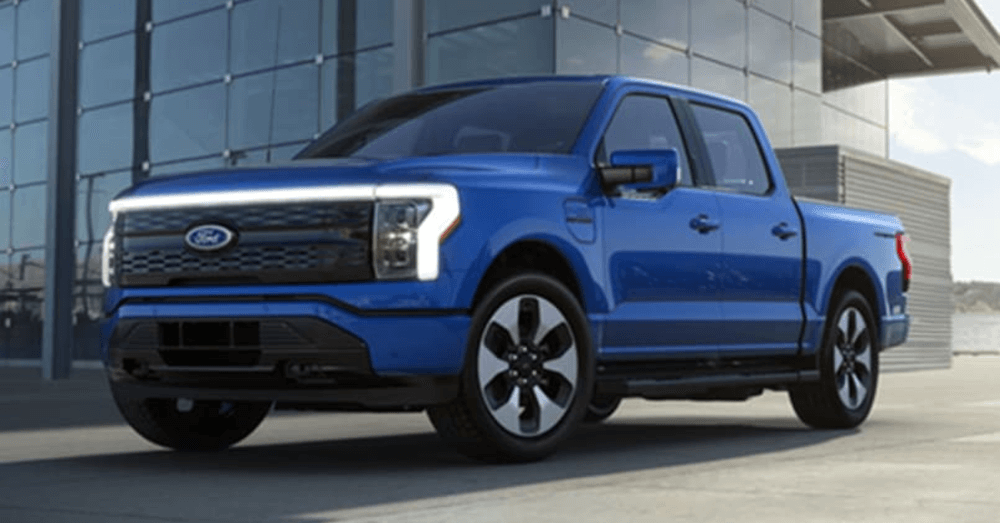
The Mustang Mach-E October numbers dropped 12.3% to 2,906 units compared to last October, though it’s still up over 15% for the year. The F-150 Lightning sales declined 17.2% from 1,863 to 1,543 sales, and production remains paused while Ford figures out demand. The E-Transit cargo van saw the steepest decline, plunging 76% to just 260 units. The drop wasn’t surprising.
Shoppers rushed to buy EVs in September before the $7,500 credit disappeared, creating a brief spike followed by an expected pullback. Without that incentive, buyers are facing full price on electric models, making the decision harder.
Sales grew despite the loss of the EV tax credit
Gas-powered models picked up the slack. The Bronco climbed 14.4% to 11,250 units, while the Ranger pickup jumped 48% to 7,741 deliveries. Hybrid sales softened slightly, down 4% to 17,498 units, though they’re still up nearly 20% year-to-date.
Ford and GM tried to soften the blow by creating their own discount programs. Ford offered substantial dealer discount programs through December, while GM self-funded a program through October. Both companies structured deals where their finance departments would buy EVs from dealer inventory and lease them to customers, passing along savings similar to the old tax credit. October sales data from other automakers will show whether this pattern holds across the industry or if Ford’s numbers are unique.
The EV tax credit is gone, impacting Ford’s October 2025 sales of EVs
The announced ending of federal EV incentives caused an expected impact on sales of electric vehicles. These incentives ended on September 30, and the drop in post-tax credit EV market sales was completely predictable. The Ford electric vehicle demand drop was certainly predictable, but wasn’t as large a hit as expected, thanks to the Bronco and Ranger sales increase. Other companies that only rely on electric vehicles, such as Tesla and Rivian, could feel a greater impact than Ford.
Will hybrids continue to outpace EVs?
With the deletion of the EV tax credit, a broader gap when looking at hybrid vs electric sales trends should occur. The Ford October sales of EVs, which showed sharp declines, should be consistent for the remainder of the year. Throughout the year, hybrids have outpaced EVs and should continue to do so. Many drivers have expressed their desire for hybrids, which offers them the option of a gas engine that makes driving feel more traditional than driving a fully electric vehicle.
Many automakers have already begun to pull back on their EV plans, causing them to pivot to hybrid models for improved production. Hybrid sales have grown significantly from year to year, with 313,531 more hybrids sold than EVs last year. Now that the Federal EV Tax Credit is gone, hybrids should continue to sell much better than EVs.
Will PHEVs become more popular now that the EV tax credit is gone
Plug-in Hybrids (PHEVs) have been the sweet spot for hybrid and EV drivers who want to have a gasoline engine to extend the driving range of their vehicles. These vehicles provide an electric driving range before switching to gas power. Some PHEVs have moved from the traditional setup with the gas engine powering the wheels to a system that only allows electric motors to power the wheels.
Despite being the lowest marker in the group, PHEVs might be the answer to the decline in EV sales. Ford’s October 2025 sales were expected to be less than September and in other months, but the biggest change was in the EV market, not overall. In fact, sales increased overall for Ford, which might be the same for other legacy automakers with strong mixtures of vehicles.
As we move away from the end of the EV tax credit, the viability of the electric vehicle market will be proven. Will these vehicles continue to thrive and grow from one year to the next, or was this the end of EVs in America? Other markets continue to strongly embrace electric vehicles and alternative fuels, but the American market has taken a step back, for now.
Will you drive an electric vehicle, even though you won’t get the EV tax credit? Are you ready to grab one of the Ford or GM models offered with automaker incentives before the end of the year?