
Think back to 2015 and imagine what you would have thought of the car technology we have today. Self-driving cars might not be as far away as we think.
The world is slowly and quickly becoming entirely tech dependent. We use our smartphones for nearly everything and can connect our cars and homes to them. Some cars have a lower level of autonomous driving capabilities but might have something much greater in the next few years. Are we closing in on making self-driving cars a reality? Let’s explore.
Does Super Cruise Hold the Key?
GM’s Super Cruise is the most successful and popular version of Level 2 self- driving that is currently available. The next generation of this system is already available and has more than 750,000 miles of North American highways mapped out and built into it. Because this is only a Level 2 system, you still must keep your eyes on the road and pay attention to what’s happening.
If Super Cruise holds the key to self-driving cars, it means the system will need to evolve beyond the need to keep your eyes on the road and become a system that’s functional without a driver paying attention. Still, starting with a foundation of mapped-out roads that are programmed into the system is a great way to get things started.
Maybe STLA AutoDrive Is the Way to Go
Stellantis, which seems to watch what Ford and GM are doing and does something a little better, has a system that enables hands and eyes-free driving. This means it provides full Level 3 autonomy under some circumstances and on authorized roads. Currently, this is only allowed in California and Nevada and is not widely allowed in every state.
Mercedes-Benz has its Drive Pilot system, and Tesla has Autopilot, which are both Level 3 systems. Mercedes-Benz offers a subscription-based version in the two states which allow this system to be used, while Tesla hasn’t passed testing to reach Level 3 autonomy with its Full Self Driving system. Despite Autopilot’s length of time in the industry, it hasn’t reached that phase yet, which might be a signal that shows how far away self-driving cars continue to be.
Automated Parking Systems Could Be the Foundation
Some vehicles can be parked while the driver is standing outside of the vehicle using a simple remote to put the vehicle into a parking spot. These automated parking systems might become the future of driverless cars that could operate without a human driver in the seat.
How Many Systems Are Required?
Human brains process information extremely quickly and use vision to provide signals to the brain to help with decision-making. This led some companies, such as Mobileye and Tesla, to think that cameras would be sufficient to allow vehicles to evolve to self-driving capabilities, but that’s been found to be false. Instead, it has become more widely accepted that vehicles will need cameras, radar, and lidar sensors to get the job done.
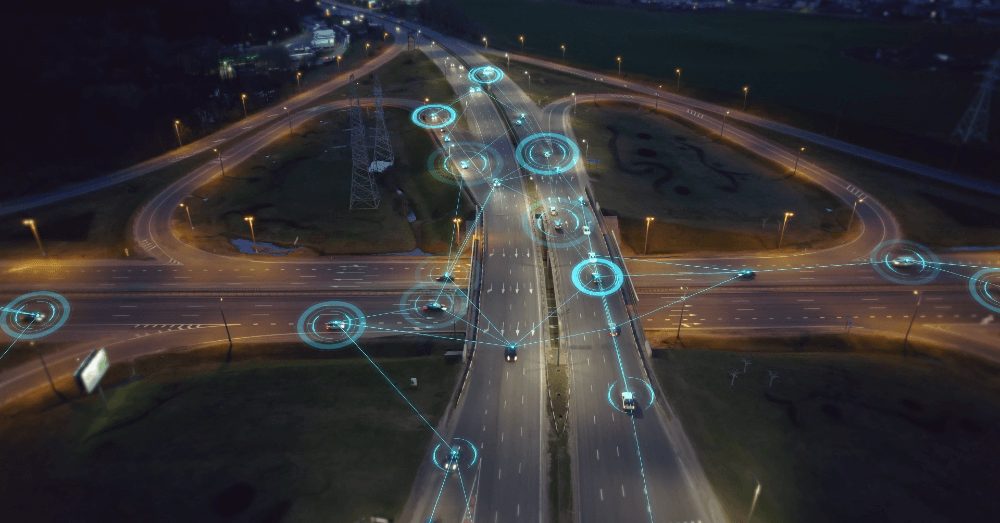
In addition to an array of sensors, the development of artificial intelligence can help advance vehicles toward driverless functionality. In addition to AI, self-driving cars will need robust connectivity to the cloud and other vehicles, which will communicate with each other while on the road. This could allow cars to drive more frequently and safely without human drivers, but it has not been proven yet.
Warning Signs
There are several hurdles that stand in the way of cars that can drive without a human driver. Some of these include regulatory issues that must be considered, but also insurance issues and where the fault lies when the systems fail or the vehicle is in an accident.
In addition to regulations and insurance issues, vehicles that will drive without a human driver must integrate into a world with human drivers, which means they have to be programmed to handle unpredictable situations. How do you program a computer to deal with a situation that you can’t predict? For the most part, you don’t, which is part of why these self-driving cars aren’t widely used and available yet.
Another hurdle is security, which must be bulletproof. The first time reports surface of hackers gaining access and control of vehicles that are programmed to drive themselves, the general public and media will have a field day against these vehicles. It’s hard enough to get some drivers to consider hybrid and electric vehicles, and that’s simply a change to the propulsion system, not the driver.
Will there be self-driving cars in the future? Most likely, yes, we should see them, but it’s uncertain if that will occur during the next decade. There are too many unknown factors to accurately predict when these cars will be widely used on public roads.